Колінчасто-черв'ячний редуктор PC+NMRV для систем позиціонування заводської автоматизації
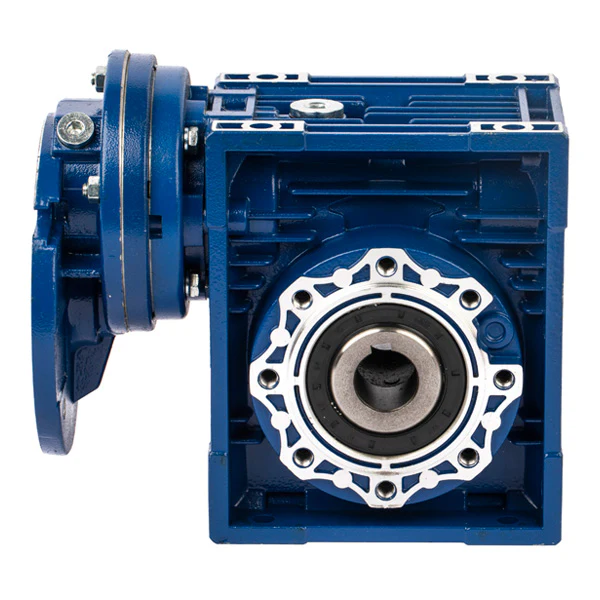
Factory automation positioning systems — indexing tables, pick-and-place mechanisms, robotic positioning axes — demand low backlash and high cycle-rate reliability that pushes beyond what a standard worm-only drive comfortably delivers. The PC+NMRV helical-worm series bridges this gap, pairing a low-backlash helical pre-stage with the compact right-angle output and self-locking properties of the NMRV worm stage, suited to servo-driven positioning applications across Australian manufacturing automation.
This page covers the technical fit of helical-worm gearing for factory automation positioning, three Australian manufacturing deployments, and answers to the specification questions automation engineers raise when integrating these drives into new equipment designs.
What Precision Positioning Demands
🎯 Low Backlash
Helical pre-stage reduces positioning error accumulation compared to a worm-only drive path
⚡ High Cycle Rate Tolerance
Higher input speed compatibility supports the rapid indexing cycles automation systems require
🔒 Position Holding
Worm output stage self-locking holds station position without continuous servo torque
🔥 Thermal Management
Helical stage efficiency reduces heat generation in continuous high-cycle production environments
Manufacturing Automation Deployments
| Facility | Challenge | Outcome |
|---|---|---|
| Automotive Component Plant Melbourne |
An indexing table’s positioning accuracy was degrading at higher production cycle rates, traced to backlash in the original worm-only drive | PC071+NMRV050 replacement maintained positioning accuracy at the target cycle rate, resolving the degradation pattern |
| Electronics Assembly Facility Western Sydney |
A pick-and-place positioning axis needed servo motor compatibility and low backlash for fine component placement accuracy | PC063+NMRV040 specified for confirmed servo input compatibility and the backlash tolerance the placement application required |
| Plastics Manufacturing Line Brisbane |
A continuous production line’s positioning drive was generating excess heat at sustained high-cycle operation, affecting nearby thermal-sensitive equipment | PC080+NMRV075 upgrade reduced thermal output through the helical stage’s efficiency improvement, resolving the heat-related concern |
Why Automation Engineers Specify Ever-Power’s Helical-Worm Series
|
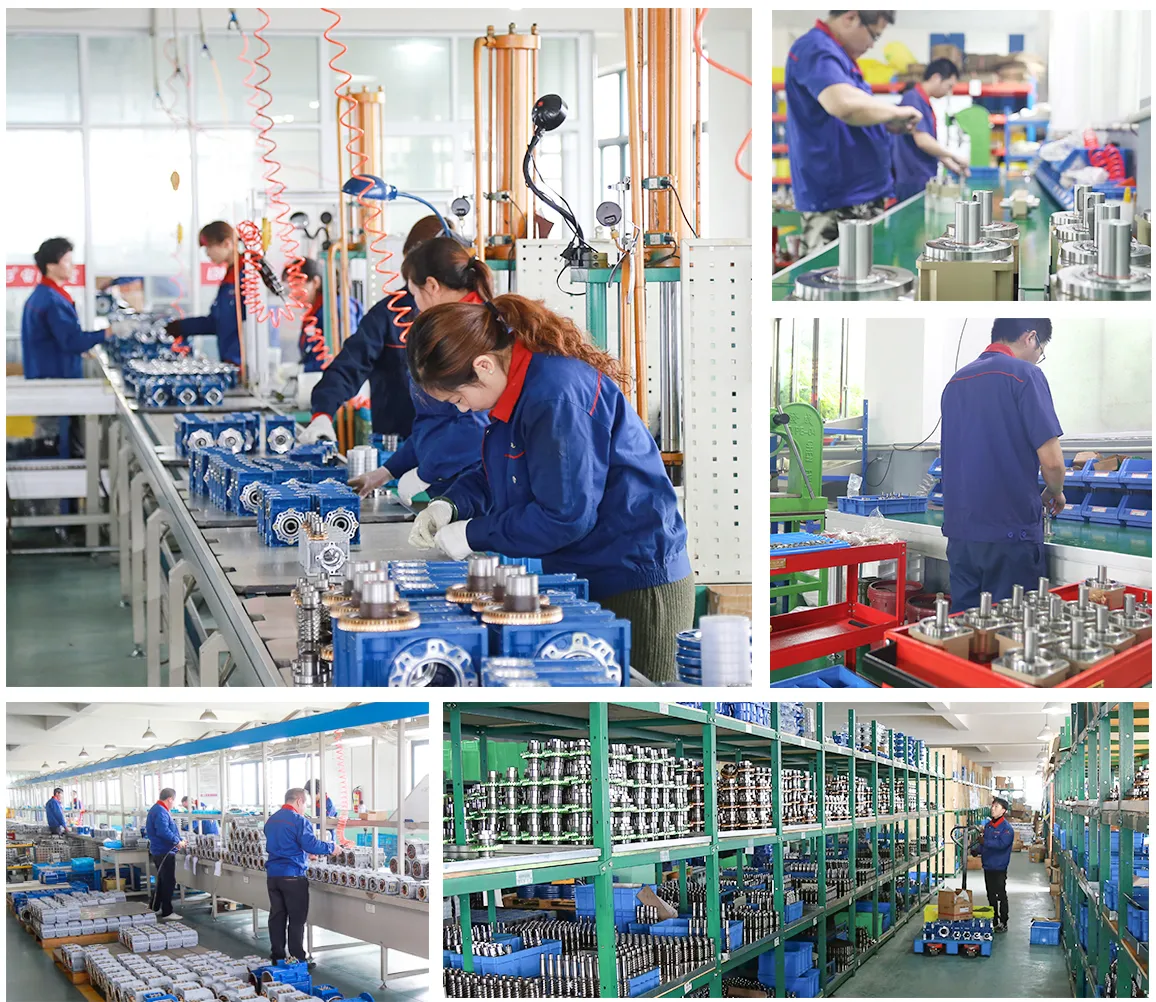
🏭 Two Decades of Manufacturing In-house production control extended across both the helical and worm stages of the combination series. |
📡 Servo Integration Support Confirm the correct PC frame and NMRV output combination against your servo motor and positioning tolerance requirements. |
|
🔧 OEM Design Support Custom shaft and flange configurations available for integration into new automation equipment designs. |
💰 Factory Direct Sourcing Competitive pricing for prototype quantities through to full automation system production volumes. |
Часті запитання
How much backlash reduction does the helical pre-stage actually deliver?
The helical pre-stage’s backlash characteristics are tighter than an equivalent worm-only input stage, though the exact figure depends on your specific PC frame size and ratio combination. Provide your positioning tolerance requirement and we will confirm whether a standard configuration meets your specification or whether additional precision options should be discussed.
Which servo motor specifications are compatible with the PC frame range?
PC063 through PC090 frames cover a range of input torque and speed capabilities suited to common industrial servo motor sizes. Provide your servo motor’s rated speed and torque output, and we will confirm compatibility with the appropriate PC frame and NMRV output combination.
Does the self-locking property still apply with a servo motor controlling the drive?
Yes, the NMRV worm output stage retains its self-locking characteristic above the standard ratio threshold regardless of whether the input is a standard motor or a servo motor. This means the mechanism resists back-driving even when servo holding torque is removed, which can be a useful redundant characteristic in your overall control system design.
How significant is the thermal improvement over a standard worm-only drive in continuous operation?
The helical pre-stage’s higher efficiency reduces heat generation compared to an equivalent reduction achieved entirely through worm gearing. The practical magnitude depends on your specific duty cycle and ratio — for applications where nearby thermal-sensitive equipment or process tolerances are a concern, discuss your specific thermal requirements with our team during specification.
Can you support a new automation equipment design from prototype through to production?
Yes, we support new equipment designs from initial prototype quantities through to full production volumes, with consistent specification maintained as your design moves through development and into manufacturing. Contact our team early in your design process to discuss integration requirements.
When should I choose standard NMRV instead of the PC+NMRV helical-worm series for an automation application?
For lower cycle rate applications without servo motor input, or where positioning tolerance requirements are less demanding, standard NMRV often remains the more cost-effective choice. PC+NMRV becomes the better fit specifically when servo compatibility, tighter backlash, or thermal efficiency at high duty cycles are genuine requirements of your application.
View the full helical-worm range on our Сторінка серії PC+NMRV, or explore other automation equipment applications on our сторінка програм.