NMRV Worm Gearbox for Cold Storage Conveyor Systems
Conveyor drives operating inside cold storage and chilled distribution facilities face a problem most industrial gearboxes never encounter: sustained low-temperature operation, where standard lubricants can thicken and seal materials can lose flexibility over time. A gearbox specified without regard to this environment risks increased starting torque demand, accelerated seal wear, and shortened service life compared to the same unit running at ambient temperature.
Ever-Power supplies NMRV worm gearboxes into cold storage conveyor applications across Australian chilled and frozen food distribution facilities, with lubrication and sealing specifications confirmed against the target operating temperature range at the point of order. This page covers the technical considerations for low-temperature gearbox selection, three cold storage facility examples, and answers to the questions facility engineers raise most often.
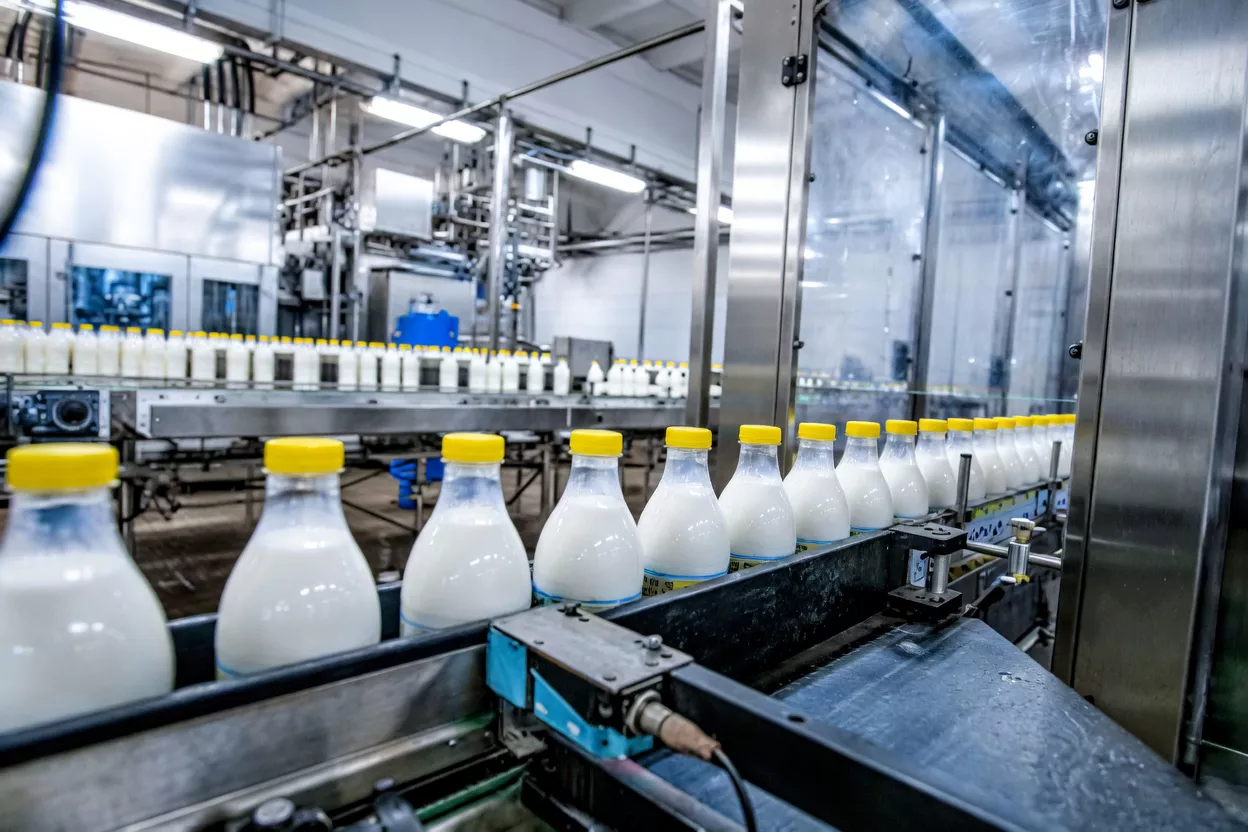
Low-Temperature Operating Considerations
Standard mineral or synthetic gear oils have a defined operating temperature range, below which viscosity increases substantially and can elevate starting torque demand beyond what the motor comfortably delivers. For chilled distribution facilities running in the 0–5°C range, this is rarely a significant issue with standard synthetic lubricant. For deep-frozen storage facilities operating well below freezing, confirming the lubricant’s low-temperature viscosity characteristics against the actual facility operating temperature is an important part of specification.
Specification checklist for cold storage conveyor gearboxes:
- Confirm the facility’s actual minimum operating temperature, not just the average storage temperature
- Verify lubricant viscosity grade suits the confirmed temperature range
- Account for elevated starting torque requirements at low temperature in motor sizing
- Specify seal materials rated for the temperature range to avoid premature seal hardening
- Consider condensation exposure at facility entry/exit points where temperature differentials are highest
Cold Storage Facility Examples
| Facility | Challenge | Outcome |
|---|---|---|
| Frozen Logistics Hub Melbourne |
Existing conveyor gearboxes showed elevated motor current draw on cold starts after extended idle periods in the -18°C storage zone | Lubricant viscosity grade matched to facility’s confirmed minimum temperature, resolving the elevated start-up current pattern |
| Chilled Produce DC Outer Sydney |
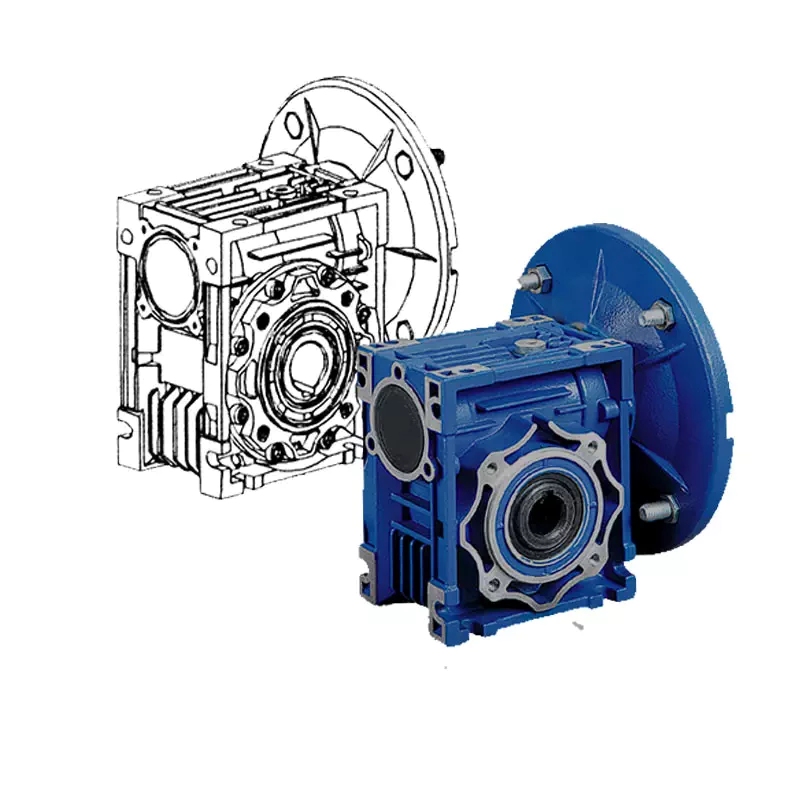
A new chilled produce distribution centre needed conveyor drives rated for continuous 2–4°C operation with frequent door-zone condensation exposure | NMRV040 units specified with standard IP65 sealing, confirmed adequate for the facility’s condensation exposure pattern |
| Seafood Processing Cold Room Tasmania |
A seafood processor’s product transfer conveyor needed a compact drive that would not compromise the cold room’s already tight equipment clearances | NMRV030 selected for its small footprint, fitting the available clearance without modification to the cold room layout |
Why Cold Chain Operators Specify Ever-Power
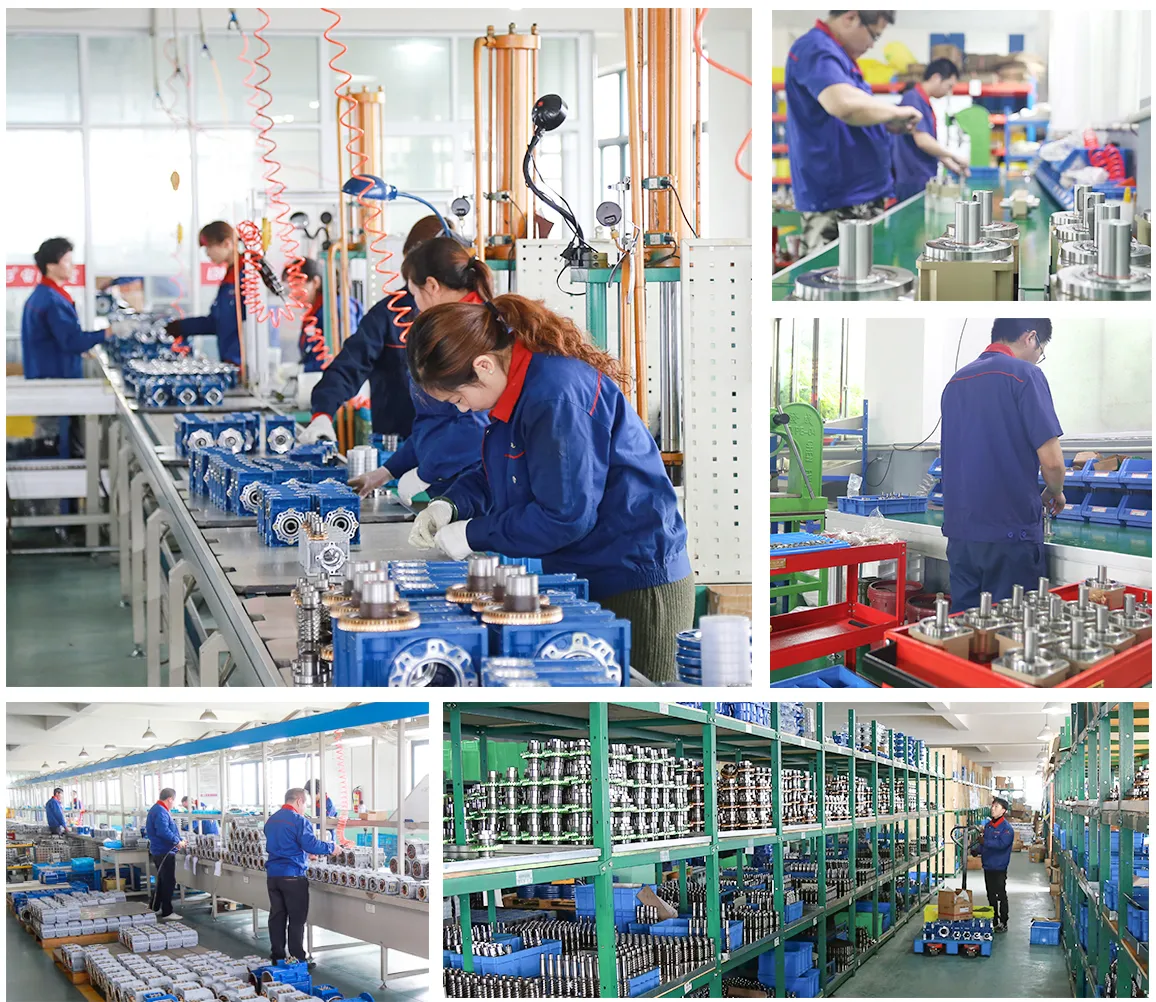
20+ Years Manufacturing
Remote Technical Support
Custom Lubricant Specs
Factory Direct Pricing
Często zadawane pytania
Does the standard gear oil work in a deep-frozen storage facility below -15°C?
Standard synthetic gear oil performs well down to typical chilled distribution temperatures, but for deep-frozen facilities we recommend confirming your specific operating temperature so we can specify a lubricant grade suited to that range. Tell us your facility’s minimum operating temperature when you place your enquiry.
Will cold temperatures increase the starting torque required from the motor?
Cold lubricant is more viscous than at ambient temperature, which can increase starting torque demand on a cold start after extended idle. This is factored into motor sizing recommendations for cold storage applications — tell us your operating temperature range so we can advise on appropriate motor sizing alongside the gearbox specification.
How does condensation at facility entry/exit doors affect the gearbox over time?
Standard IP65 sealing handles routine condensation exposure typical of cold storage door zones. If your conveyor runs through a high-traffic door zone with frequent temperature cycling and heavy condensation, mention this during specification so we can confirm the sealing is adequate for your specific exposure level.
Are seal materials affected by sustained cold exposure?
Standard seal materials are rated for typical cold storage temperature ranges, but extreme sustained cold can affect seal flexibility over a long service life. For facilities operating at the lower end of the freezer temperature range, ask about cold-rated seal material options during specification.
What frame size suits a typical cold room product transfer conveyor?
Cold room transfer conveyors commonly use NMRV025 to NMRV040 frame sizes depending on conveyor length and product weight. Provide your conveyor specifications and we will confirm the appropriate frame size accounting for the cold-start torque margin.
Can you supply gearboxes pre-configured for our facility’s specific operating temperature?
Yes, lubricant grade and seal specification can be confirmed against your facility’s specific operating temperature at the point of order, rather than relying on a generic standard specification. Provide your operating temperature range and conveyor details to our team for a tailored recommendation.
Explore our full frame size range on the strona produktów, or see how worm gearboxes apply across other food production environments on our applications page.