NMRV Worm Gearbox for Bakery Proofing Equipment
Proofer chain and belt drives move dough through a controlled-temperature, high-humidity environment at a deliberately slow, steady pace — rushing the proof cycle ruins the product, while any speed inconsistency creates uneven proofing across the batch. The gearbox driving a proofer chain or belt has to deliver exactly that combination: low, stable output speed under continuous duty, in an environment that punishes equipment with condensation and warm, moist air around the clock.
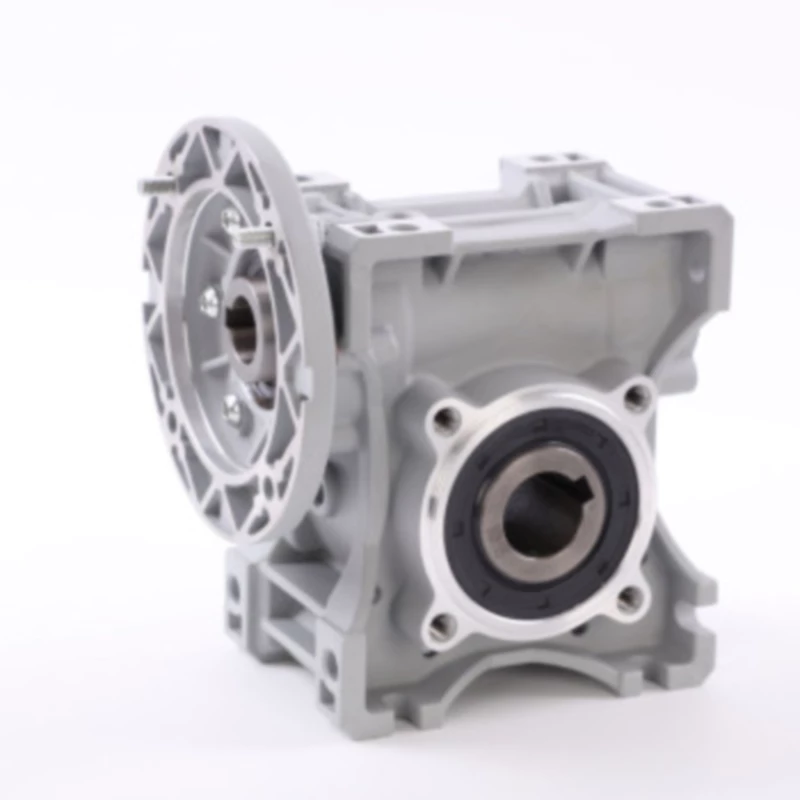
Ever-Power’s NMRV worm gearbox range handles this duty profile well, with sealed aluminium housing that resists the humid proofer environment and a worm-mesh drive that runs quietly at the low speeds proofing chains require. This page covers the technical reasoning for worm gear proofer drives, three commercial bakery deployments, and answers to the questions bakery equipment engineers most often ask.
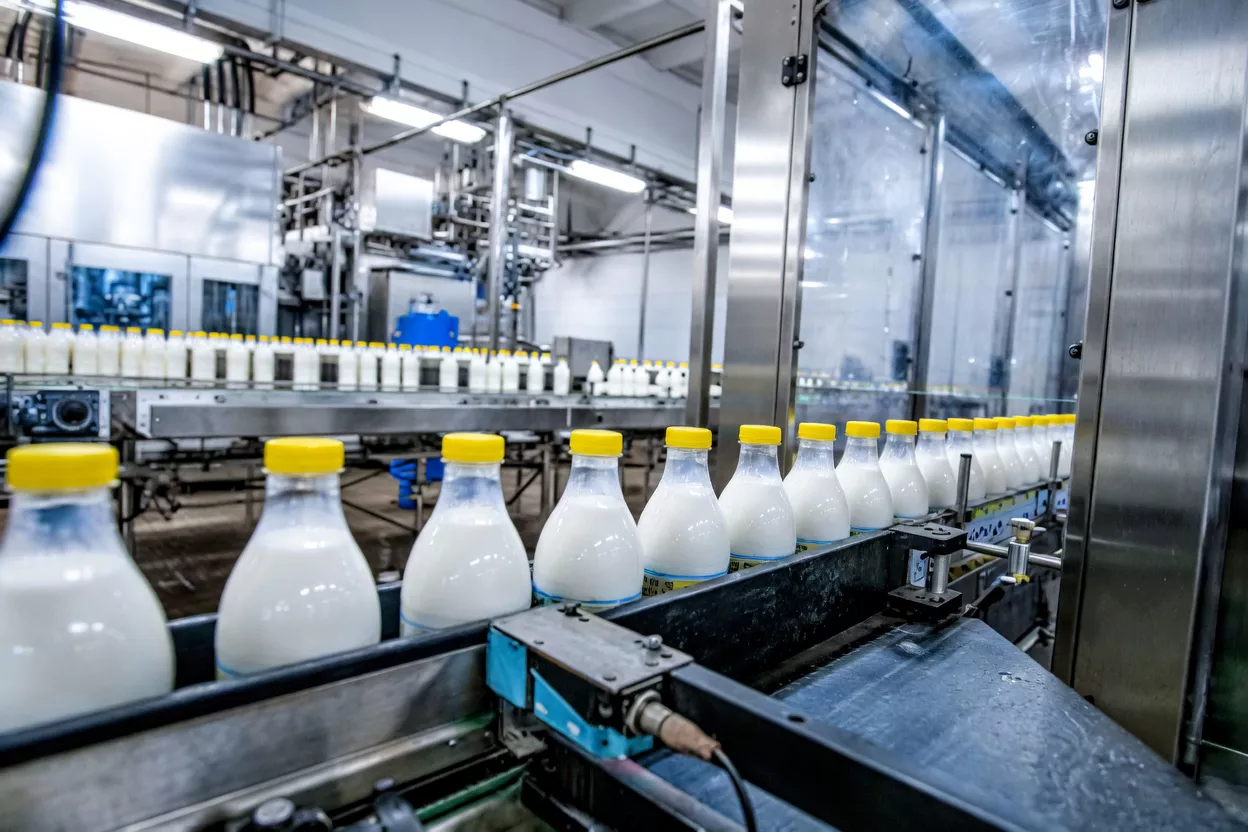
The Proofer Environment Challenge
Commercial proofing cabinets run continuously at elevated temperature and high relative humidity — conditions that promote rapid corrosion in unsealed or poorly sealed equipment. Condensation forms readily on any exposed metal surface, and that moisture finds its way into gear housings that are not adequately protected. The combination of continuous low-speed operation and sustained humid exposure makes proofer drives one of the more demanding long-term reliability tests for a gearbox in food production.
NMRV’s aluminium housing and IP65 sealing rating address this directly — the housing material itself resists corrosion rather than relying solely on a coating, and the sealed gear case keeps proofer humidity away from the worm mesh and bearing surfaces across years of continuous operation.
| Environmental Factor | NMRV Design Response |
|---|---|
| Sustained high humidity | Corrosion-resistant aluminium housing with IP65 sealed gear case |
| Continuous low-speed operation | Synthetic gear oil rated for extended continuous-duty cycles |
| Need for stable, non-pulsing chain speed | Smooth worm-mesh engagement without periodic speed variation |
Commercial Bakery Case Examples
🍞 Industrial Bread Production — Western Sydney
A high-volume bread bakery’s proofer chain drive was suffering recurring bearing corrosion within 12 months of installation, traced to humidity ingress through an inadequately sealed gearbox. Replacement with NMRV050 units carrying confirmed IP65 sealing resolved the corrosion pattern, with the replacement units showing no bearing degradation after two years of continuous proofer operation.
🍣 Artisan Bakery Chain — Melbourne
An artisan bakery group expanding to a second production site wanted to standardise on a single proofer drive specification across both locations to simplify maintenance training for a small technical team. NMRV040 units were specified consistently across both sites’ proofer lines, giving the maintenance team a single gearbox model to learn and stock spares for.
🍽 Patisserie Production Line — Brisbane
A patisserie producer needed an exceptionally quiet proofer drive for a facility where the proofing room shared a wall with a customer viewing area. NMRV030 units were selected for the worm gear’s inherently low operating noise, eliminating a noise issue that had been a recurring point of customer feedback under the previous drive system.
Why Bakery Equipment Builders Choose Ever-Power
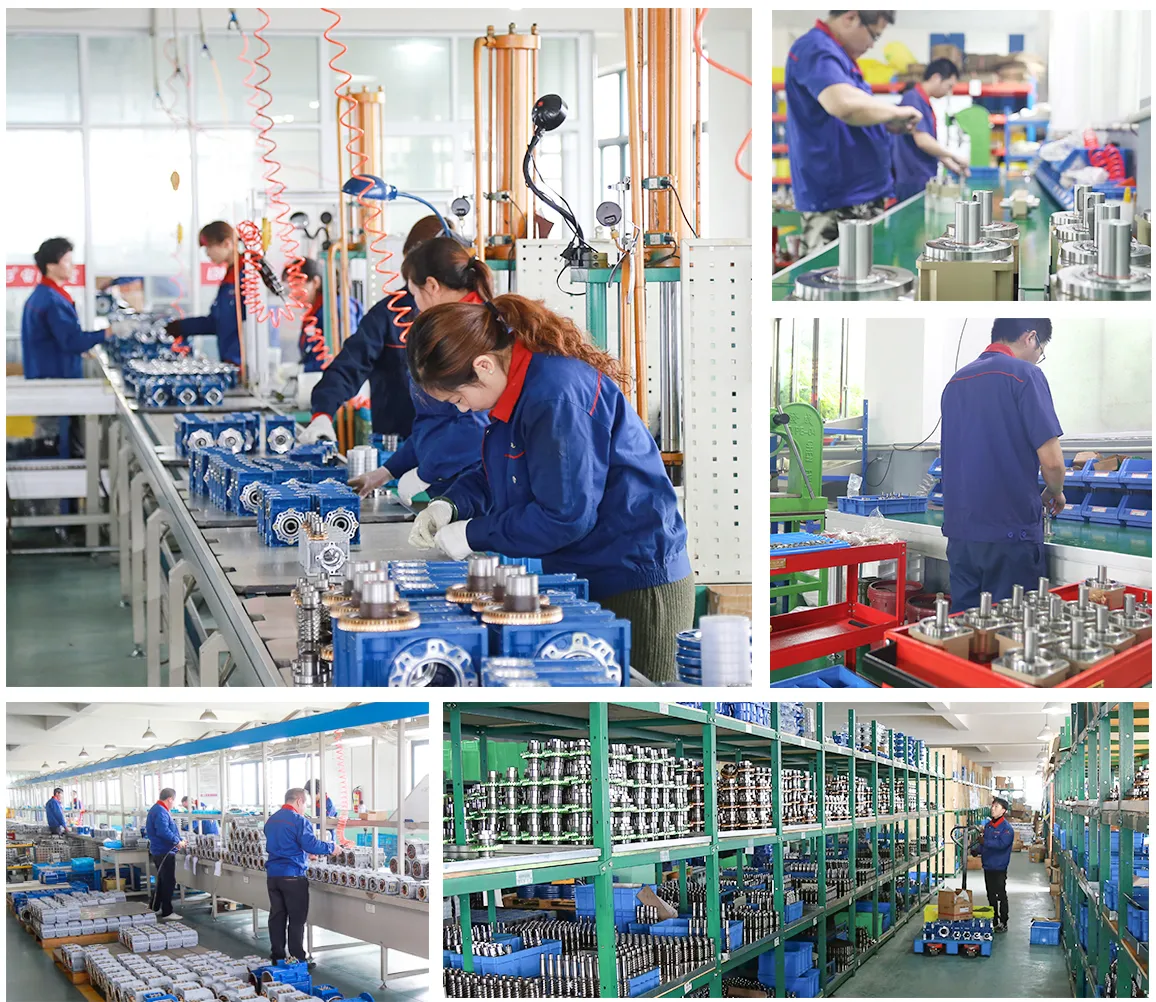
- Manufacturing depth: over two decades of in-house worm gearbox production with tight control over housing sealing quality
- Remote technical support: our engineers confirm proofer chain speed and torque requirements before you commit to an order
- OEM and custom configurations: stainless output shafts and food-grade lubricant available for hygiene-sensitive installations
- Factory direct value: consistent per-unit pricing whether you need one replacement gearbox or a multi-site standardisation order
Często zadawane pytania
How does the gearbox handle the temperature cycling between proofer operation and cleaning shutdowns?
The aluminium housing and synthetic gear oil are rated for the temperature range typical of commercial proofer operation, including the cooling that occurs during cleaning shutdowns. Repeated thermal cycling is a normal part of bakery equipment duty and does not require special gearbox specification beyond the standard housing seal rating.
What chain or belt speed range is typical for proofer drives?
Proofer chain speeds are generally very low, often well under 1 metre per minute, which typically requires a high reduction ratio. Send your target proof time and chain length and we will confirm the correct gear ratio for your proofer’s specific cycle time.
Is the gearbox noise level low enough for an open-plan bakery with customer visibility?
Worm gear meshing operates with notably lower noise than many alternative gear types, due to the sliding contact between worm and wheel rather than direct gear tooth impact. This makes NMRV units a common choice for bakeries with shared customer-facing spaces or open-plan production floors.
Can the gearbox be mounted in any orientation within the proofer cabinet structure?
NMRV gearboxes support multiple mounting orientations, though oil level and lubrication behaviour can vary by mounting position. Confirm your intended mounting orientation when ordering so the correct oil fill level is set for your installation.
What maintenance interval should we plan for a continuously-running proofer drive?
For continuous-duty proofer operation, check the oil sight glass monthly and plan an oil change at the 2,000–5,000 operating hour mark depending on ambient humidity and temperature. The sealed housing significantly reduces the maintenance burden compared to unsealed gear types in this environment.
Can you supply a consistent gearbox specification across multiple proofer lines at different sites?
Yes, multi-site standardisation is a common request from bakery groups looking to simplify spares holding and maintenance training. We can confirm a single specification that covers your full range of proofer equipment where duty requirements are similar.
Browse our complete frame size range on the strona produktów, or read about how we manufacture every unit in-house on our strona o nas.