NMRV Worm Gearbox for Grain Elevator Conveyors
Grain elevator conveyors move bulk product vertically and horizontally through silos, storage sheds, and loading bays in a duty cycle defined by seasonal intensity — weeks of near-continuous running at harvest, followed by long idle stretches. A gearbox specified for this application has to start cleanly under a loaded belt or bucket chain after sitting idle, run reliably through harvest peak, and tolerate the grain dust that settles into every corner of a storage facility.
Ever-Power’s NMRV worm gearbox range covers this duty profile across nine frame sizes, giving elevator builders and farm equipment installers a single source for everything from a small auxiliary transfer point through to a primary intake elevator drive. The sections below cover the technical reasoning behind worm gear selection for this application, three Australian grain storage deployments, and a direct FAQ for engineers specifying new or replacement elevator drives.
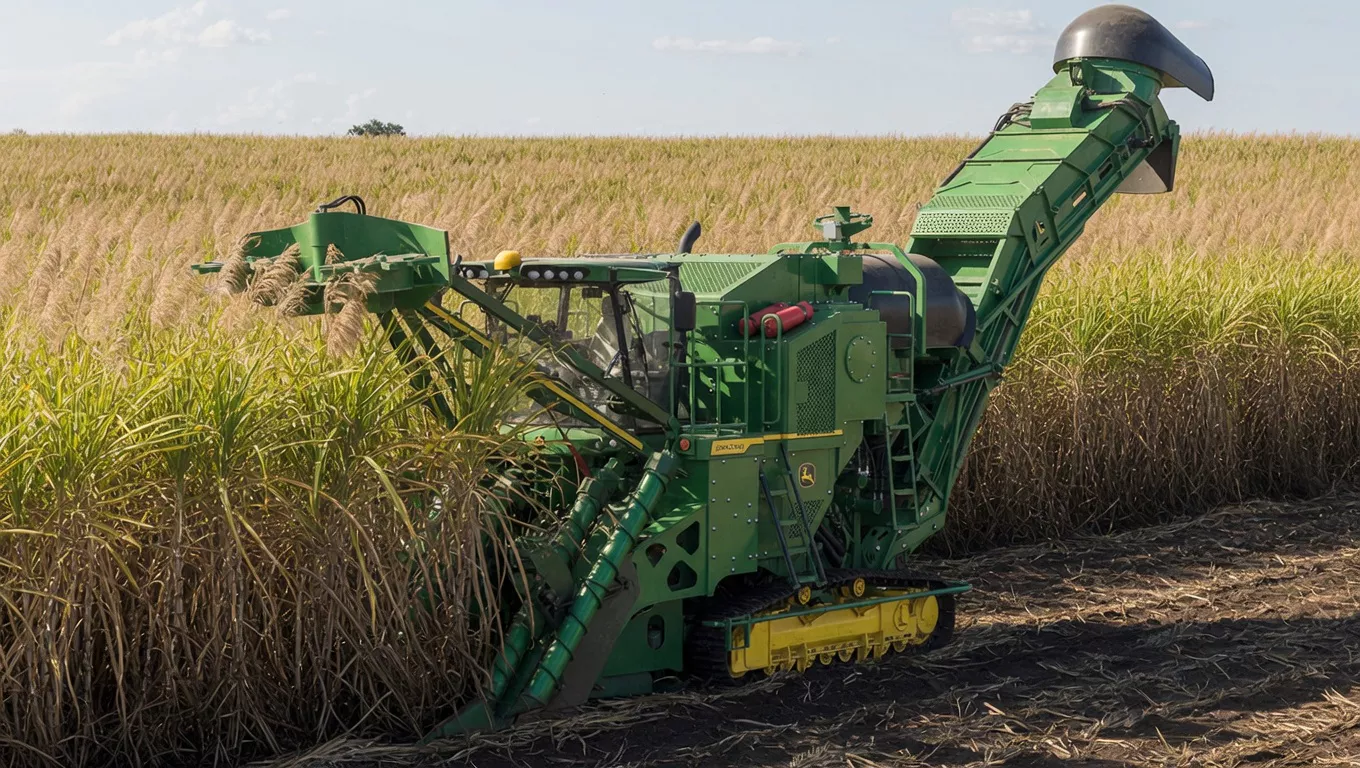
Matching Gearbox Frame Size to Elevator Capacity
Grain elevator drive selection comes down to three variables: the throughput rate the elevator needs to sustain, the vertical lift height, and the bucket or belt loading pattern. Heavier throughput and taller lifts both push toward a larger frame size and a lower gear ratio to keep output torque within the motor’s comfortable operating range.
Selection checklist for elevator conveyor gearboxes:
- Confirm peak throughput in tonnes per hour at harvest, not average annual throughput
- Calculate required output torque from bucket/belt loading plus elevation height
- Select gear ratio so the motor runs within its rated continuous duty band at peak load
- Specify IP65 sealing as standard for any installation exposed to ambient grain dust
- Confirm input flange matches your existing or specified motor frame size
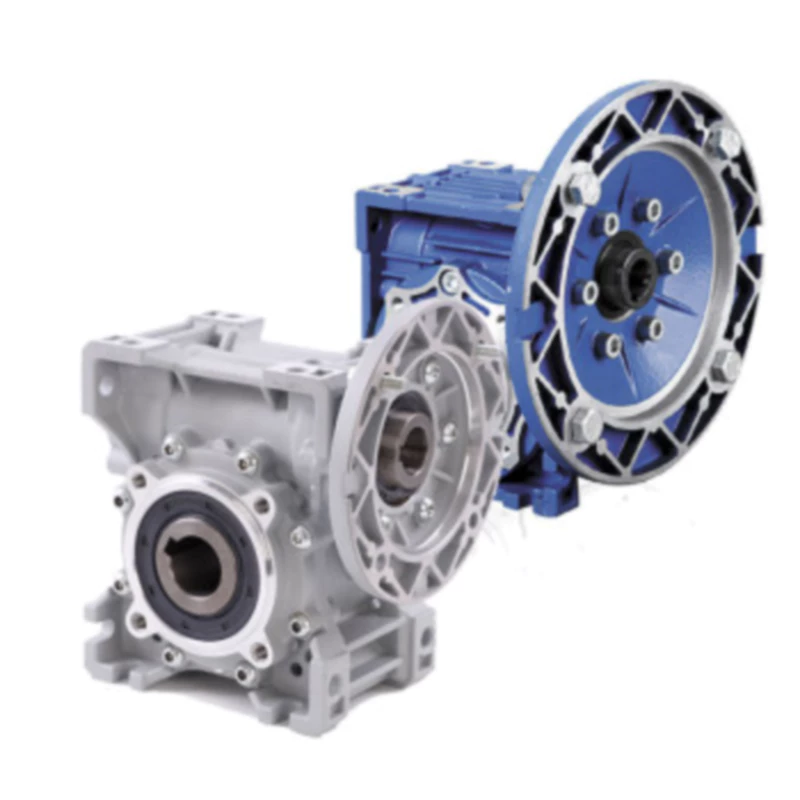
For elevators needing very low output speeds beyond a single worm stage’s practical range, a double-stage NMRV combination delivers the additional reduction without adding a second motor to the drive train. Full specifications for each frame size are available on our halaman produk.
Grain Storage Deployment Examples
| Site & Region | Tantangan | Hasil |
|---|---|---|
| Wheatbelt WA Bulk handling co-op |
Original elevator gearbox failed mid-harvest from a worm wheel bronze fatigue crack, halting intake for a full day | NMRV090 unit installed with confirmed torque margin above peak harvest throughput; no failures across two subsequent harvests |
| Darling Downs QLD On-farm storage |
New on-farm silo installation needed a compact elevator drive that would not require structural reinforcement of the existing leg tower | NMRV063 selected for its low installed weight relative to torque output, fitting the existing tower design without modification |
| Wimmera VIC Grain terminal |
A multi-leg terminal needed consistent gearbox specification across six elevator legs to simplify spares holding and maintenance training | Standardised on NMRV075 across all six legs, with one spares inventory covering the entire site |
Ever-Power’s Position as Your Elevator Gearbox Supplier
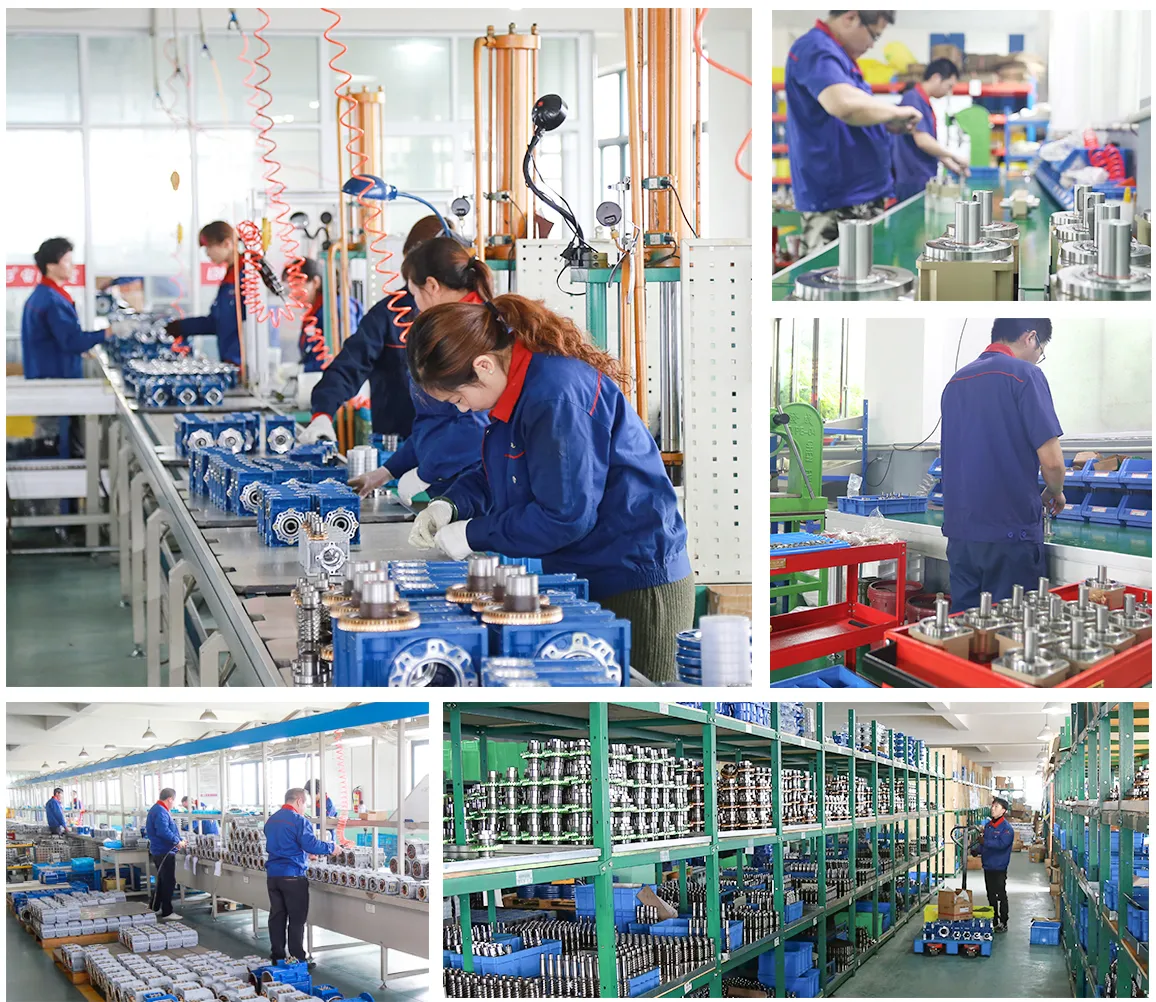
Established Manufacturer
20+ years building worm gear reducers, in-house from raw steel to finished unit
Remote Engineering Support
Send throughput, lift height, and motor specs for a confirmed frame size recommendation
Site-Wide Standardisation
Multi-unit orders specified to a single configuration for simplified spares and training
Factory Direct Value
Competitive per-unit cost for both single replacement units and multi-leg facility projects
Pertanyaan yang Sering Diajukan
How do I size a gearbox for an existing elevator leg I’m retrofitting?
Start with the existing motor’s rated power and the elevator’s required throughput in tonnes per hour. We can back-calculate the appropriate gear ratio from your current bucket spacing and chain speed, then confirm whether your existing frame size needs to step up to handle the load with appropriate service margin.
Can a single gearbox handle both the head pulley drive and a discharge auger off the same motor?
A single NMRV unit drives one output shaft, so a shared drive across two separate mechanisms typically needs a secondary chain, belt, or shaft coupling from the gearbox output. Tell us your full mechanical layout and we can advise on the most efficient configuration.
Will the gearbox handle a cold start after sitting idle all off-season?
Yes. NMRV gearboxes are factory-filled with synthetic gear oil that does not separate or thicken excessively during extended idle periods. We recommend a visual oil check before the season’s first start-up, particularly if the unit has sat through a full off-season without rotation.
What’s the difference between specifying NMRV versus a double-stage unit for a tall elevator leg?
A single-stage NMRV covers gear ratios from 5:1 to 100:1, which suits the majority of elevator leg drives. If your required output speed falls below what a single stage can comfortably deliver at the available motor speed, a double-stage combination extends the ratio range without changing your motor specification.
Do you supply matching units for multi-leg facilities so spares are interchangeable?
Yes, this is a common request for grain terminals and co-operative storage sites running several elevator legs. We can confirm a single frame size and ratio specification that covers your full range of legs, simplifying your spares inventory to one gearbox model.
How often should the gearbox oil be checked during harvest-intensity operation?
For continuous harvest-season operation, check the sight glass weekly and plan an oil change at the 2,000–5,000 operating hour mark depending on ambient dust and temperature. Outside harvest, an annual inspection before the season starts is typically sufficient for intermittent-use elevators.
Browse our full range of frame sizes on the Halaman seri NMRV, or contact our team directly to confirm a specification for your elevator project.