NMRV Worm Gearbox for Fertiliser Spreader Drives
Fertiliser spreader metering and spinner-disc drives operate in one of the more corrosive environments a farm gearbox will face — granular and liquid fertiliser products are chemically aggressive toward unprotected metal, and the equipment typically sits exposed to weather between applications. The gearbox driving the metering mechanism or spinner disc needs corrosion resistance built into the housing material itself, not just a surface coating that wears through after a season or two.
Ever-Power’s NMRV aluminium alloy gearboxes are specified into fertiliser spreader applications for exactly this reason — the housing material resists the corrosive effects of fertiliser residue far better than untreated steel, while still delivering the torque output a loaded spreader mechanism demands. This page sets out the technical case, three field examples from Australian broadacre operations, and direct answers to common spreader gearbox questions.
|
🧹
Corrosion Resistance |
⚡
Metering Torque |
🌡
Outdoor Durability |
Why Housing Material Matters More in This Application
Most agricultural gearbox applications deal with dust and moisture as the primary environmental threat. Fertiliser spreader drives add a third factor: chemical corrosion from direct or residual contact with granular fertiliser, particularly nitrogen and phosphate-based products that draw moisture and become mildly acidic in contact with metal surfaces. Aluminium alloy housings form a stable oxide layer that resists this corrosion mechanism more effectively than mild steel, which is why the NMRV series is a common specification choice for this equipment category.
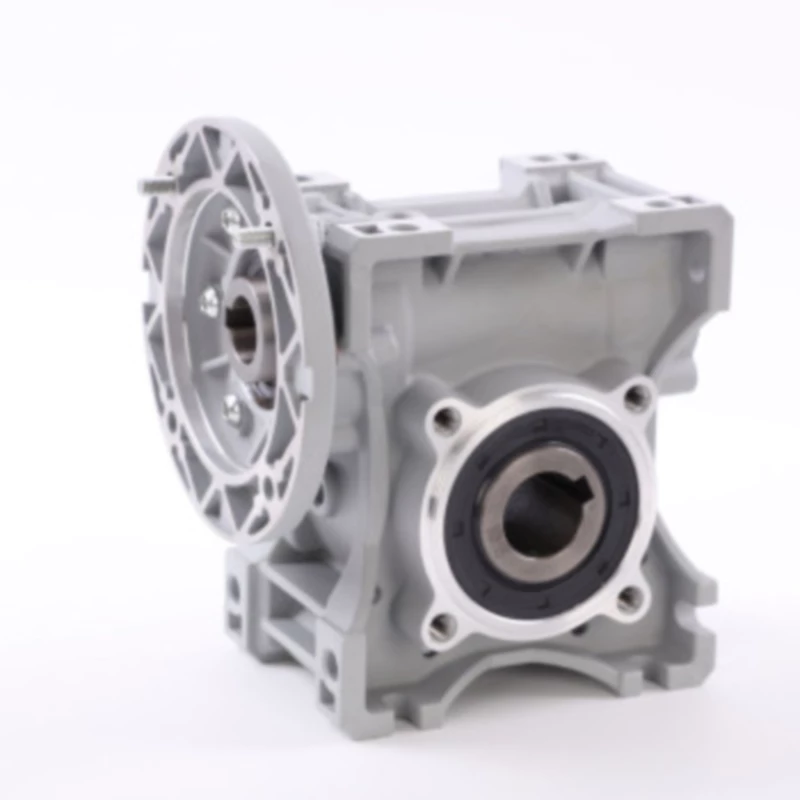
Metering drive sizing depends on the specific spreader mechanism — ground-driven spinner spreaders typically need a different ratio profile to PTO-driven or hydraulically-driven units. The right-angle output of an NMRV gearbox accommodates both layouts, converting either ground wheel rotation or PTO input into the metering shaft speed the spreader mechanism requires.
Broadacre Field Deployments
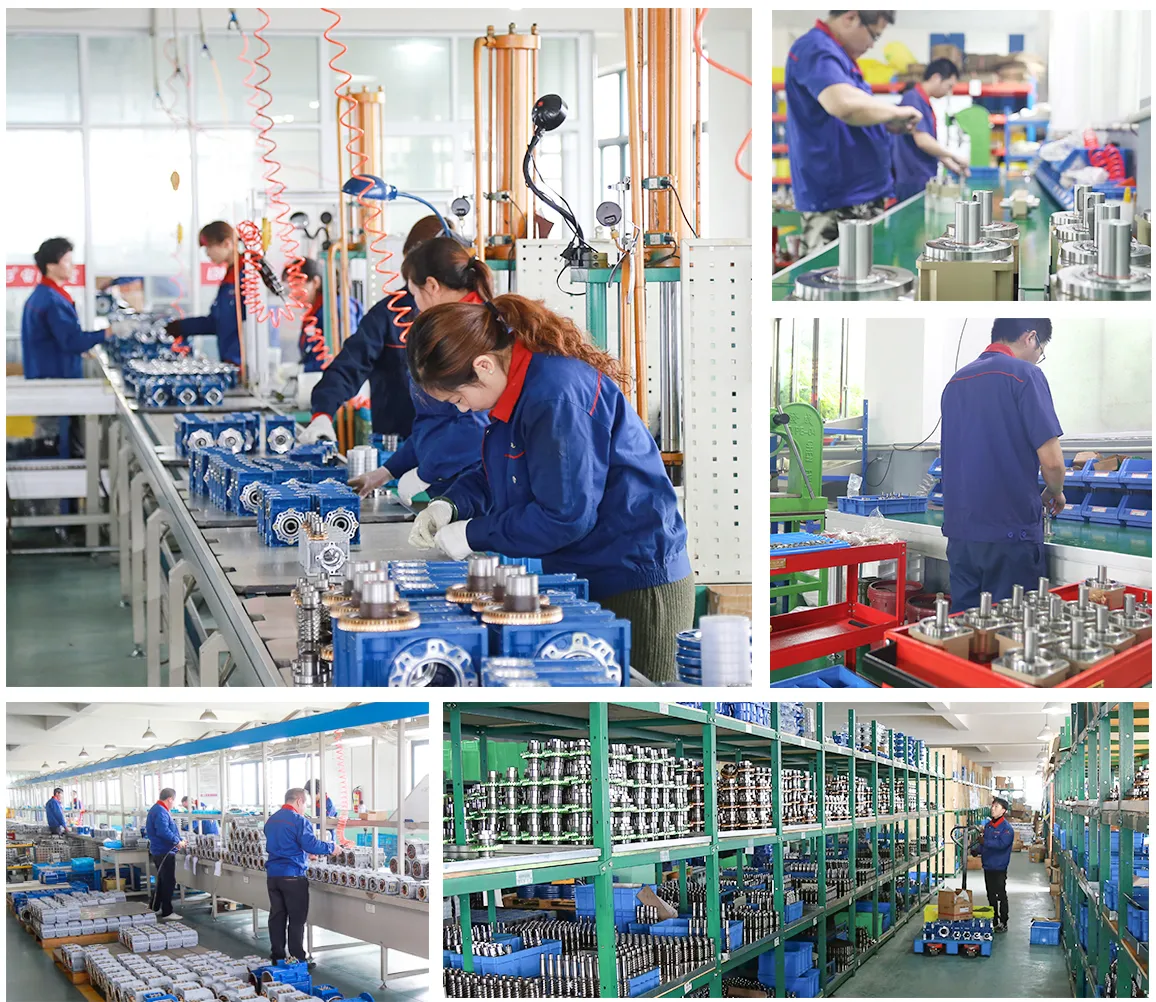
Eyre Peninsula SA — Spinner Disc Bearing Failure
A grain growing operation’s spinner spreader gearbox was failing within a single season from corrosion penetrating an inadequately sealed steel housing. Switching to an NMRV040 unit with IP65 sealing and aluminium construction eliminated repeat corrosion failures across three subsequent application seasons.
Liverpool Plains NSW — PTO-Driven Bulk Spreader
A bulk fertiliser contractor needed a metering drive gearbox rated for the higher torque demand of a wide-boom PTO-driven spreader running at full tractor PTO speed. An NMRV050 unit was specified with a confirmed ratio matched to the contractor’s standard 540rpm PTO input.
South West WA — Liquid Fertiliser Applicator
A liquid fertiliser applicator manufacturer required a compact gearbox for a metering pump drive that would tolerate occasional splash exposure to concentrated liquid product. An IP65-rated NMRV030 unit was integrated into the applicator design with no measurable corrosion after a full application season.
Why Spreader Manufacturers and Operators Choose Ever-Power
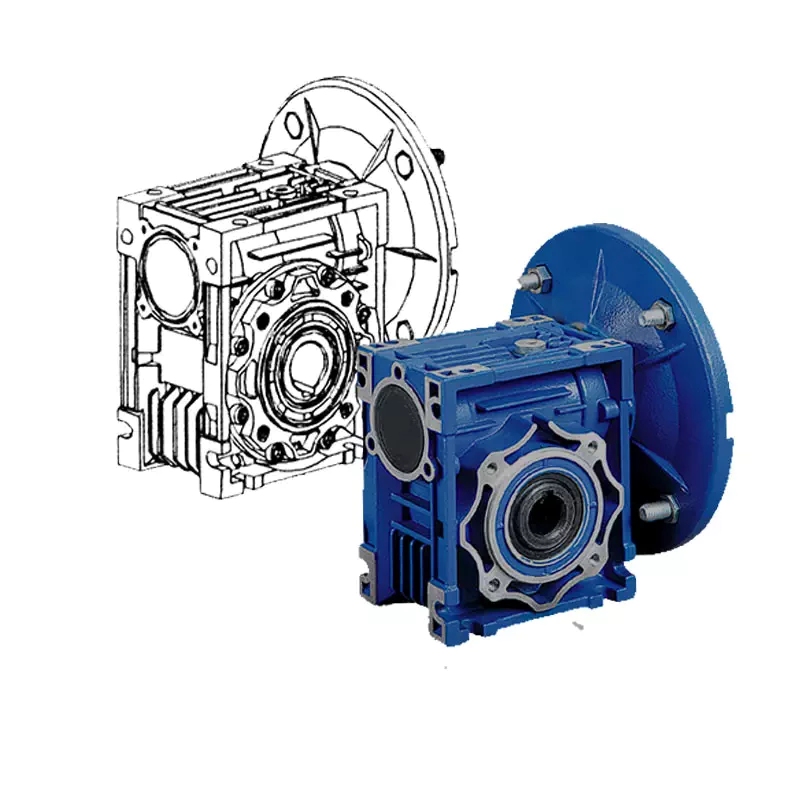
| 🏭 Manufacturing Experience: Over two decades of in-house worm gearbox production, including aluminium housing casting and machining |
| 📡 Remote Technical Support: Engineering team available to confirm metering ratio for ground-driven, PTO-driven, or hydraulic spreader layouts |
| 🔧 OEM Integration Support: Custom shaft and flange configurations available for spreader manufacturers integrating gearboxes into new equipment designs |
| 💰 Factory Direct Pricing: Competitive cost structure for both single replacement units and OEM production volumes |
Pertanyaan yang Sering Diajukan
Is aluminium housing actually more corrosion resistant than painted steel for fertiliser exposure?
Yes. Aluminium forms a stable oxide layer on exposure to air that resists further corrosion, whereas a painted steel housing only resists corrosion as long as the paint coating remains intact. Once a steel housing’s coating is scratched or worn through — which happens readily in spreader equipment — the underlying steel corrodes rapidly under fertiliser exposure.
What gear ratio suits a ground-driven spinner spreader versus a PTO-driven unit?
Ground-driven spreaders take their input from a wheel rotation that varies with travel speed, while PTO-driven units run from a fixed-speed tractor output, typically 540 or 1000rpm. The correct ratio depends on your specific spinner disc speed requirement and input source — send us your mechanism details and we will confirm the right configuration.
Can the gearbox tolerate splash exposure to liquid fertiliser concentrate?
The standard IP65-rated housing protects against dust and low-pressure water or splash exposure, which covers most liquid fertiliser applicator installations. For applications with sustained submersion or high-pressure spray exposure, ask about upgraded sealing options before specifying.
Do you supply gearboxes directly to spreader equipment manufacturers for OEM integration?
Yes, we work with equipment manufacturers on OEM specifications, including custom output shaft configurations and flange patterns to match a manufacturer’s existing spreader frame design. Contact our team with your design requirements to discuss integration.
How should the gearbox be cleaned after use to extend its service life?
A routine freshwater rinse after fertiliser application, particularly after liquid product use, helps prevent residue buildup around the shaft seals. Avoid directing high-pressure washdown water directly at the seal area, and check the oil sight glass periodically for any sign of water ingress.
What frame size is typical for a small three-point-linkage spreader versus a large bulk applicator?
Smaller three-point-linkage spreaders commonly use NMRV025 to NMRV040 frame sizes, while larger bulk applicators and wide-boom units typically need NMRV050 or above to handle the higher metering torque. Confirm your spreader’s rated capacity and input speed for an exact recommendation.
For full specifications across the NMRV frame size range, visit our halaman produk, or learn more about our manufacturing process on the halaman tentang kami.