NRV Worm Gearbox for Auxiliary Conveyor Drives in Mining
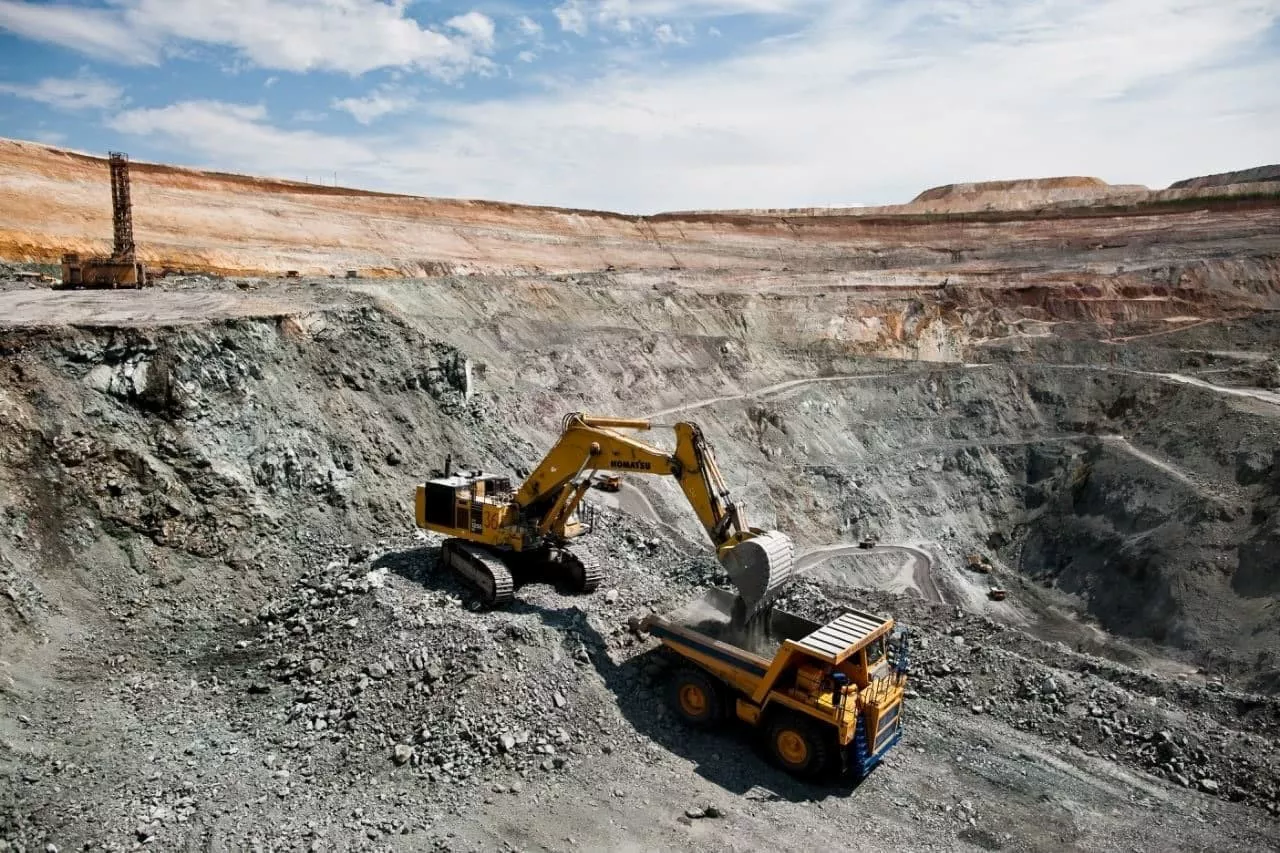
Beyond the primary overland conveyors that move bulk ore across a mine site, every processing plant runs a network of smaller auxiliary conveyors — sample transport, by-product handling, internal transfer points between processing stages. These conveyors carry a fraction of the primary system’s tonnage and run at a scale where shaft-mounted worm gearing is a genuinely cost-effective fit, rather than over-specifying with the same equipment category used on the primary drive train.
Ever-Power’s NRV worm gearbox range is specified into auxiliary conveyor applications across Australian mine sites and processing plants for exactly this reason — correctly scoped to the small-to-medium duty range these conveyors actually demand. This page covers the selection logic for auxiliary conveyor drives, three site deployment examples, and answers to common specification questions.
Matching Drive Category to Conveyor Duty
One of the most common specification errors on mine sites is defaulting to the same large gearmotor category used on primary overland conveyors for every conveyor on site, regardless of actual duty. A sample transport conveyor moving a few tonnes per hour does not need the torque density of equipment sized for a primary ore handling line — and specifying that way adds unnecessary capital cost without a corresponding operational benefit. Worm gearing’s role is specifically in this smaller duty range, where its compact shaft-mount footprint and self-locking properties suit the application without over-specification.
When an auxiliary conveyor suits worm gear drive:
- Throughput is measured in tonnes per hour rather than hundreds of tonnes per hour
- Conveyor length and lift are modest relative to a primary overland system
- Compact installation footprint is a priority due to structural or spatial constraints
- Self-locking holding behaviour adds value, such as on inclined sample transport runs
- Standardising on a single gearbox type across multiple small conveyors simplifies site spares
Site Deployment Examples
Nickel Processing — Kalgoorlie Region WA
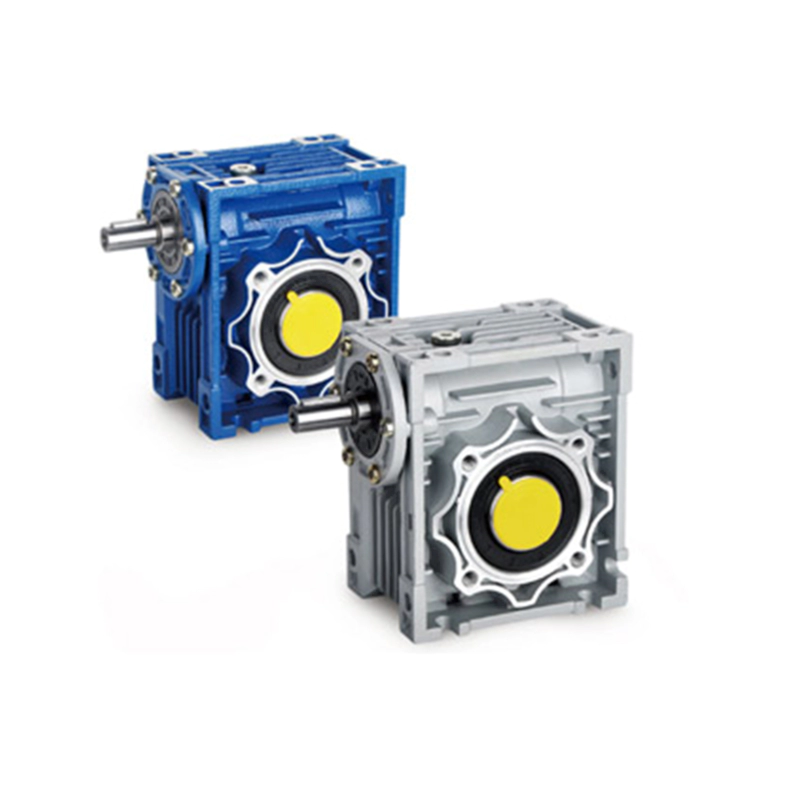
A nickel processing facility was running large gearmotor units on its internal sample transport conveyors — significant over-specification for the light duty involved. Transitioning these specific points to NRV040 units reduced capital cost on subsequent conveyor replacements while maintaining adequate torque margin for the actual duty.
Coal Preparation — Bowen Basin QLD
A coal preparation plant needed multiple small by-product handling conveyors across the facility, with a tight installation timeline for a plant expansion. NRV050 units’ compact shaft-mount installation allowed faster commissioning than the larger gearmotor configuration originally specified.
Iron Ore Beneficiation — Pilbara WA
A beneficiation plant needed an inclined transfer conveyor between two processing stages where self-locking holding behaviour was specifically valued to prevent reverse material flow if the conveyor stopped loaded on the incline. NRV063 at a self-locking ratio addressed this requirement directly.
Why Mine Sites Trust Ever-Power for Auxiliary Drives
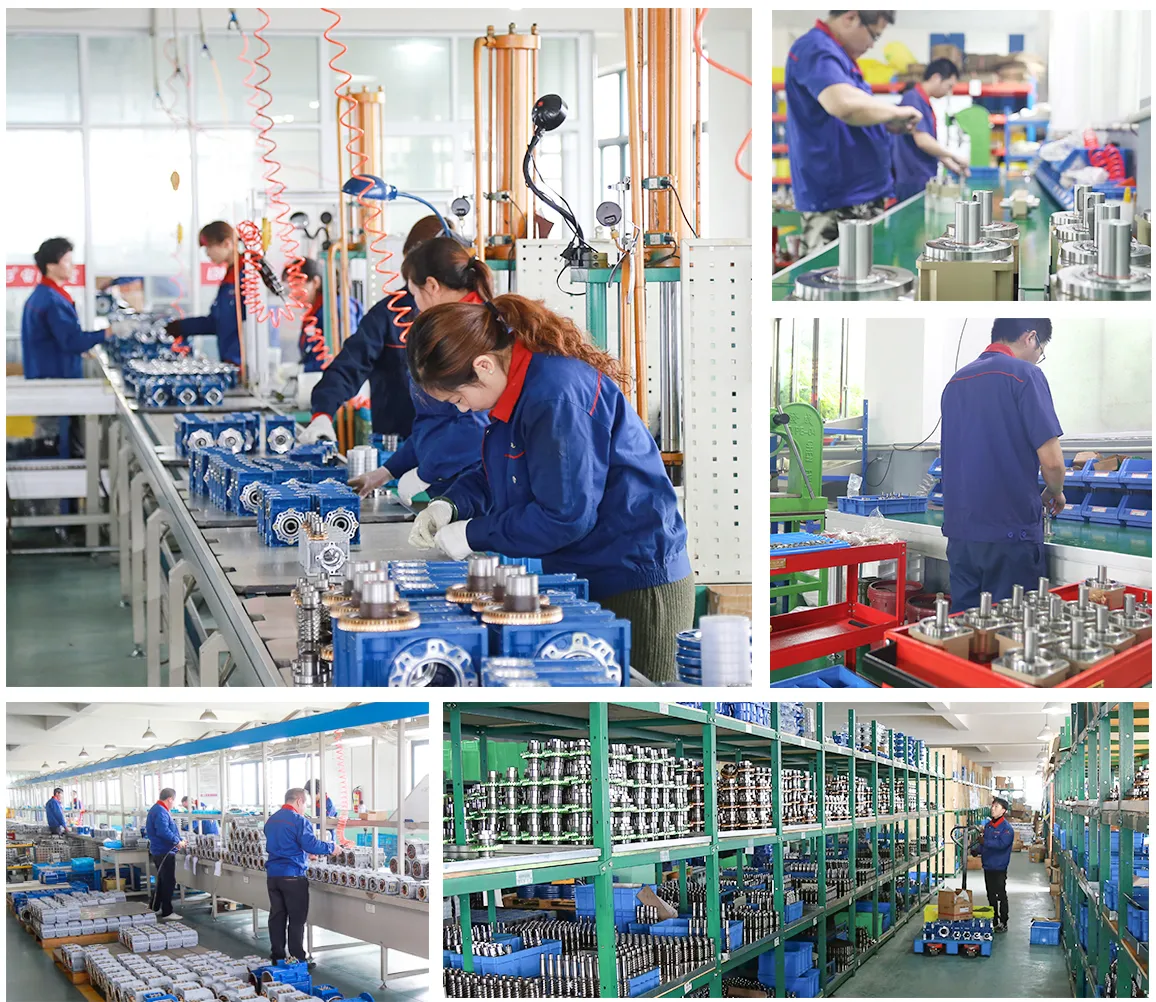
Site engineers and procurement teams work with Ever-Power because our engineering support is built around correct scoping — helping you identify which conveyor drive points genuinely suit worm gearing versus where a larger gear category remains the right choice, rather than defaulting every specification to one category by habit. With over two decades of manufacturing experience behind every unit, we provide remote technical support to confirm torque, ratio, and frame size for your specific auxiliary duty, with OEM configuration options for non-standard mounting and factory direct pricing across both single-unit and multi-conveyor site orders.
الأسئلة الشائعة
How do I know if my conveyor is genuinely auxiliary duty or needs a larger gear category?
Provide your throughput target, conveyor length, lift height, and material density, and our engineering team will calculate the required torque and confirm whether it falls within an NRV unit’s practical range or whether a larger helical or planetary gear unit is the more appropriate category.
Is there a cost advantage to using worm gearing over a larger gear category for small conveyors?
For correctly-scoped small-to-medium duty conveyors, NRV units typically offer lower capital cost than over-specifying with larger gearmotor categories designed for primary drive duty. The key is matching the gearbox category to actual torque and throughput requirements rather than defaulting to a single specification across all conveyors on site.
How does shaft-mount installation simplify commissioning compared to a coupled gearmotor?
Shaft-mount configuration eliminates the separate motor pedestal and coupling alignment work required by a coupled gearmotor installation, which can meaningfully reduce commissioning time on multi-conveyor projects with tight installation schedules.
Does self-locking behaviour add value on a flat auxiliary conveyor, or only on inclines?
Self-locking is most directly valuable on inclined conveyors where you want to prevent reverse material flow if the conveyor stops loaded. On flat conveyors it has less practical impact, so the gear ratio decision can focus primarily on the required speed and torque rather than self-locking considerations.
Can you help us review our existing site’s conveyor specifications for potential over-specification?
Yes, our engineering team can review your existing auxiliary conveyor specifications against actual duty requirements to identify where a worm gear category might offer a more cost-effective fit on future replacement cycles, without compromising performance.
Do you support multi-conveyor site orders with standardised specifications?
Yes, we regularly support multi-conveyor orders where standardising on a consistent frame size across several auxiliary conveyors simplifies site spares holding, even where individual duty points vary slightly within the same general range.
Browse the full NRV product range on our صفحة سلسلة NRV, or see how worm gearboxes apply across other mining auxiliary equipment on our صفحة التطبيقات.